 ARTIST ARCHIVE
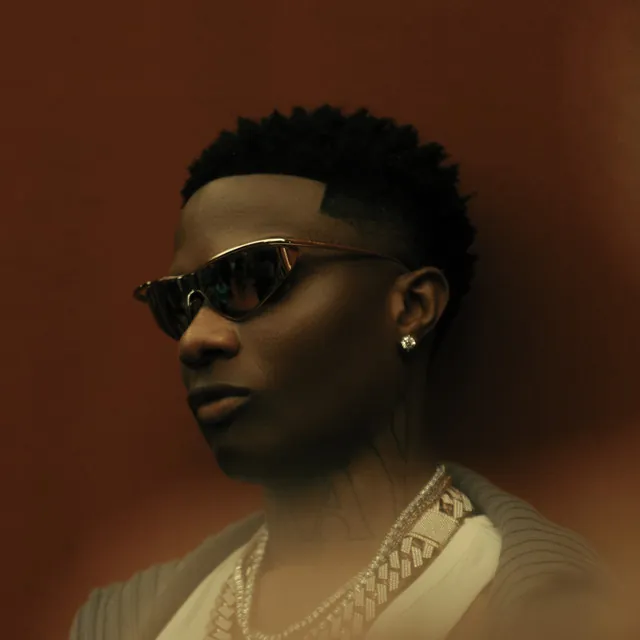
Wizkid
Artist notes
Wizkid's understated cool became a global template. A deep catalogue, the long afterlife of Essence and his gift for melodic economy keep Starboy present in every new Afrobeats conversation.
Updated · Source dates
50 artist profiles from the published Current snapshot. Open a profile for its catalogue and sourced evidence.
ARTIST ARCHIVEWizkid's understated cool became a global template. A deep catalogue, the long afterlife of Essence and his gift for melodic economy keep Starboy present in every new Afrobeats conversation.
 ARTIST ARCHIVE
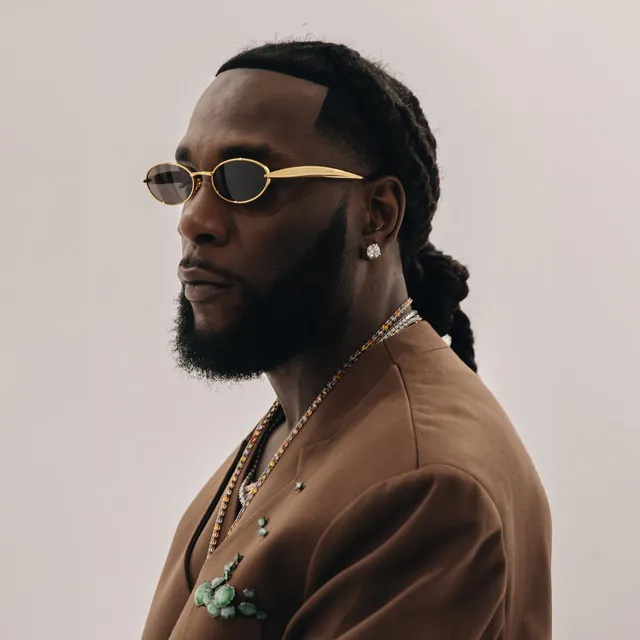
Port Harcourt's Damini Ogulu turned Afro-fusion into a stadium language: muscular live shows, restless albums and a voice that can make triumph sound like testimony.
 ARTIST ARCHIVE
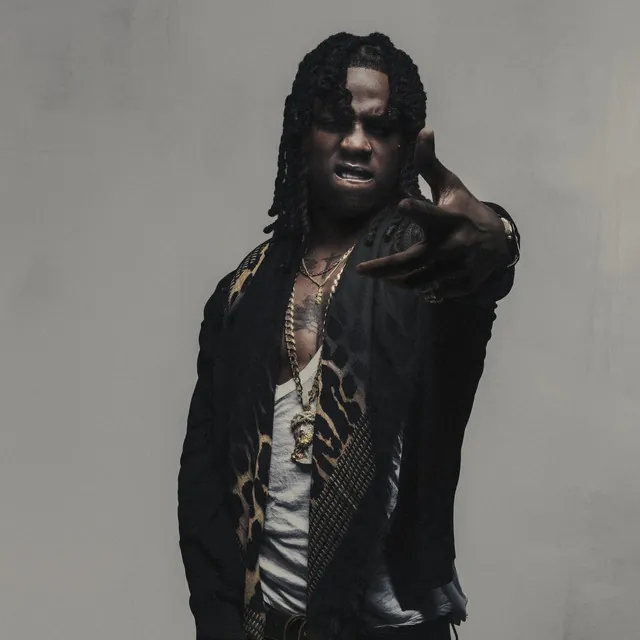
Rema treats Afrobeats as a moving target. From the bright immediacy of Calm Down to the darker pulse of HEIS, he keeps expanding the sound without losing his Benin City fingerprints.
 ARTIST ARCHIVE
Tems never sanded down her grainy, low-slung voice for pop. Pop moved toward her instead, making the Lagos songwriter a rare star whose restraint carries as much force as a chorus.
 ARTIST ARCHIVE
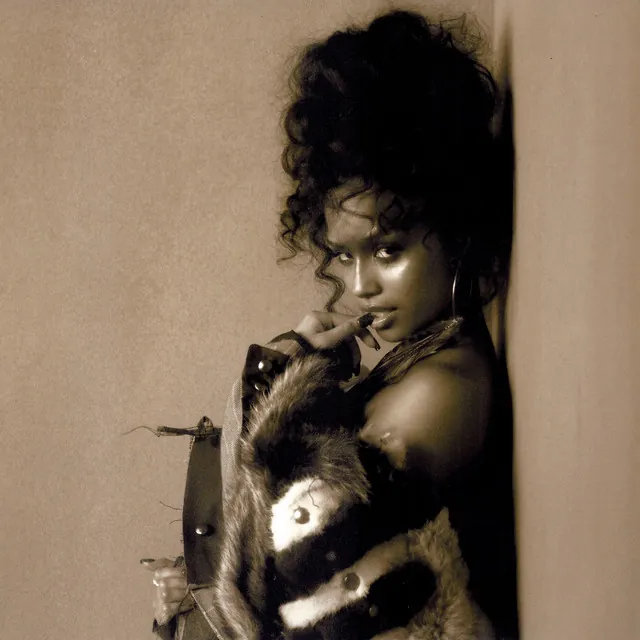
Johannesburg's Tyla turned popiano from a smart description into a global pop format. Her light vocal touch, dance language and precision make difficult crossover work look effortless.
 ARTIST ARCHIVE
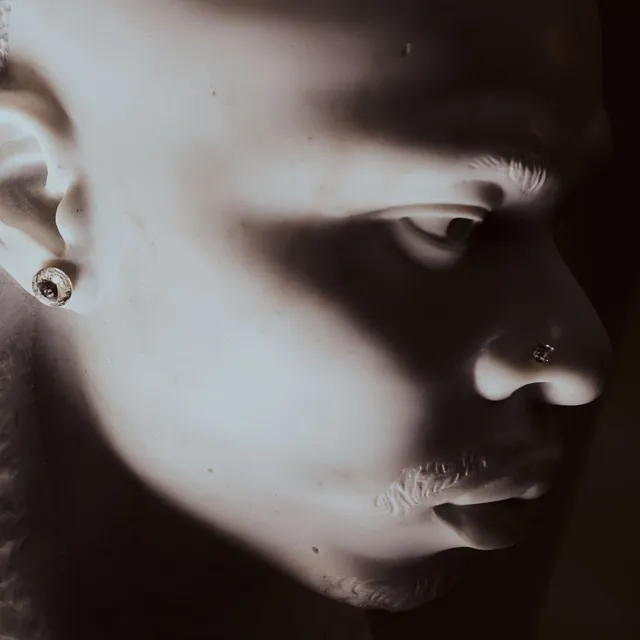
Asake compressed Fuji phrasing, massed vocals and amapiano log drums into a instantly recognisable rush. His catalogue moves like a crowd even when the subject turns inward.
 ARTIST ARCHIVE
Ayra Starr pairs diary-page candour with arena ambition. Her voice can sound bruised, defiant and playful in one record, giving the Mavin star a reach far beyond any one trend.
 ARTIST ARCHIVE
Davido built longevity on urgency: huge hooks, generous collaborations and the feeling that every release is a public event. Few artists turn fan energy into commercial force as reliably.
 ARTIST ARCHIVE
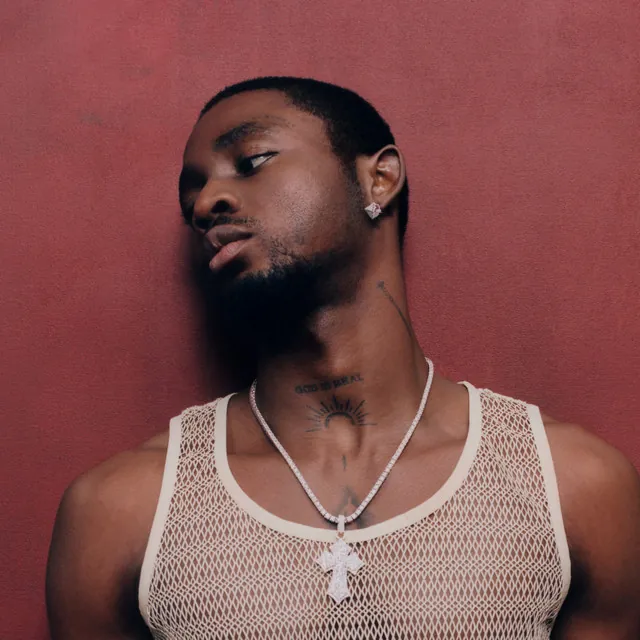
Omah Lay made interior monologue commercially huge. His wounded melodies, soft-spoken writing and shadowy production created a modern Afrobeats lane that many artists now borrow from.
 ARTIST ARCHIVE
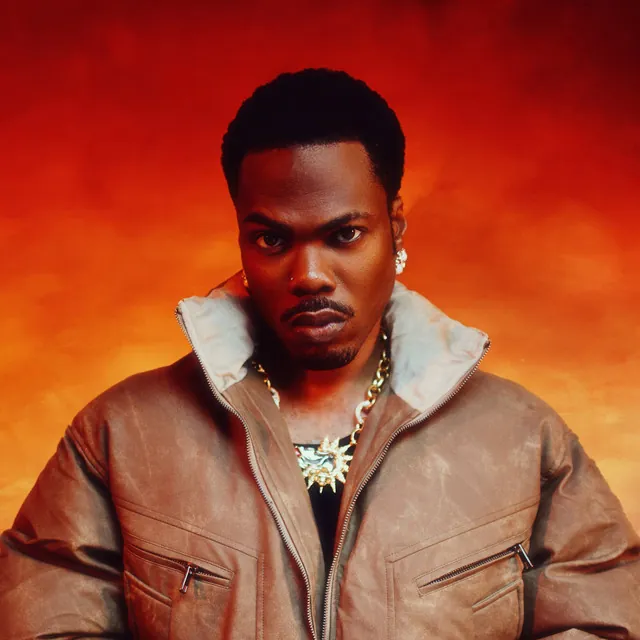
CKay's Love Nwantiti became one of the genre's defining digital exports, but his larger signature is emotional economy: intimate writing, simple melodies and records built to travel.
 ARTIST ARCHIVE
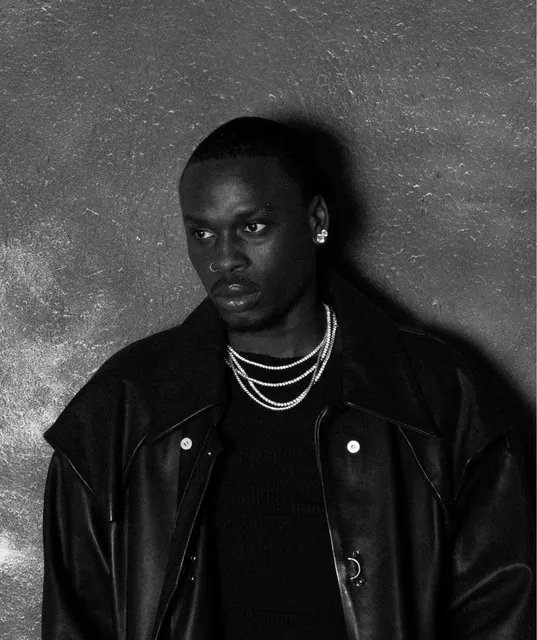
Fireboy writes romance with the eye of a short-story author. Peru widened the audience, while his albums show the quieter craft: clean melodies, emotional detail and unusual consistency.
 ARTIST ARCHIVE
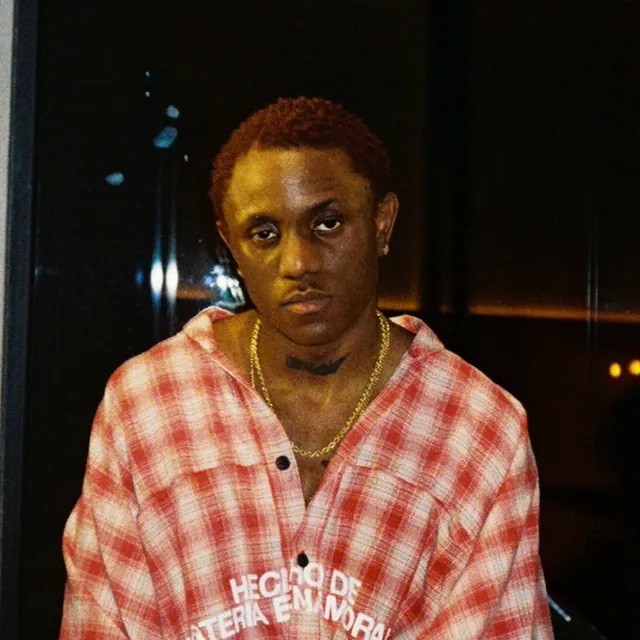
Victony's elastic voice can glide through street-pop, R&B and experimental production without losing its identity. His feature run turned promise into one of the scene's most adaptable profiles.
 ARTIST ARCHIVE
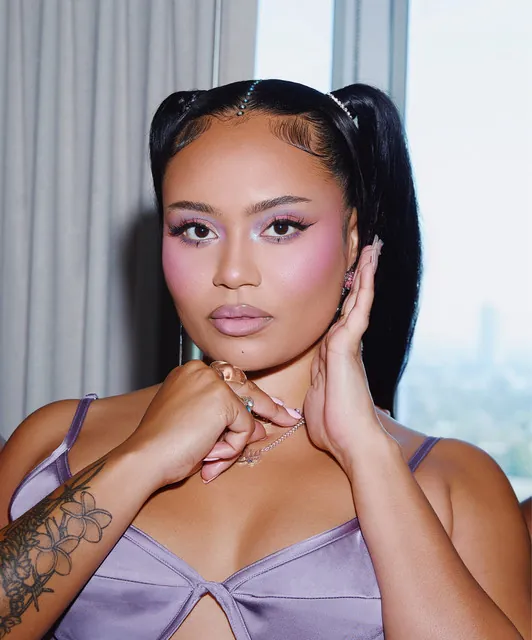
Accra-born MOLIY makes dance music with a sly edge. Her airy delivery and diaspora-minded collaborations have carried Ghanaian pop into clubs and charts far outside its home market.
 ARTIST ARCHIVE
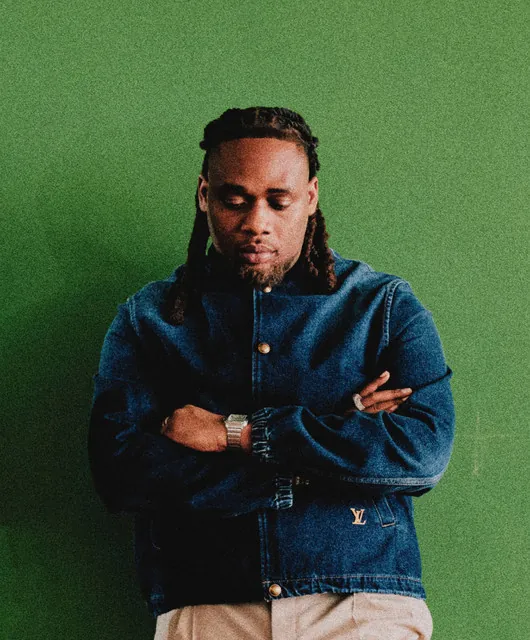
BNXN's husky tone gives features instant shape, but the catalogue proves he is more than a hook specialist. He writes with humour, vulnerability and a traveller's ear for rhythm.
 ARTIST ARCHIVE
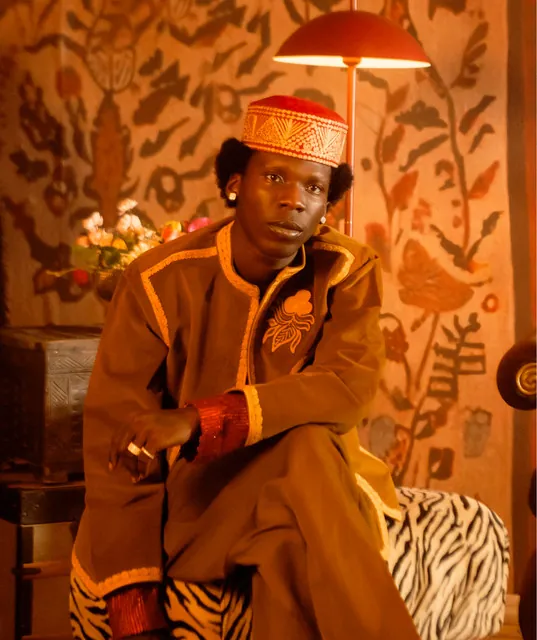
Seyi Vibez turns prayer, survival and street testimony into hypnotic music. His prolific run built a loyal audience that hears spiritual weight beneath the raw vocal grain.
 ARTIST ARCHIVE
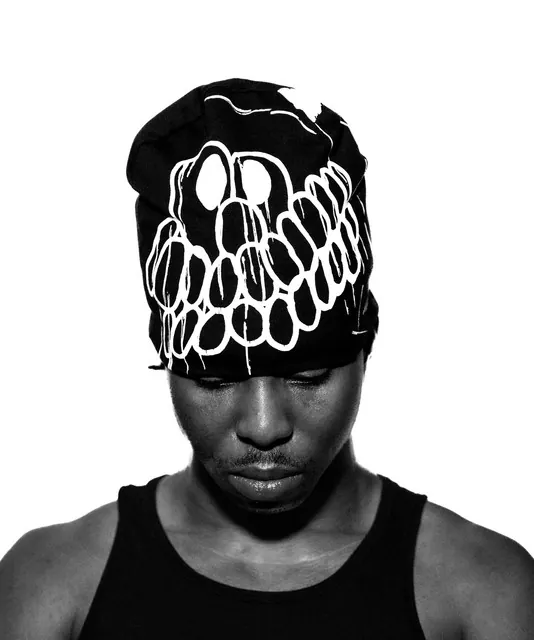
FOLA's rise rests on melodic instinct rather than noise. He writes compact, emotionally direct songs and has quickly become one of the voices most likely to own the next chorus.
 ARTIST ARCHIVE
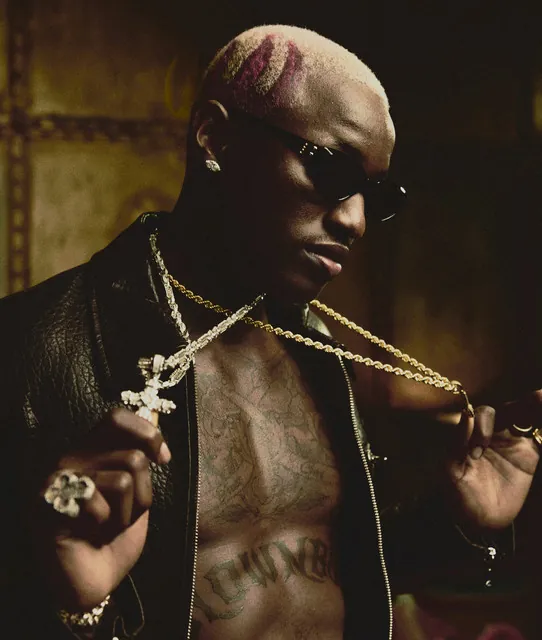
Ruger blends dancehall swing with a teasing pop persona and unusually clean songwriting. Beneath the swagger is a sharp ear for hooks that survive after the viral moment passes.
 ARTIST ARCHIVE
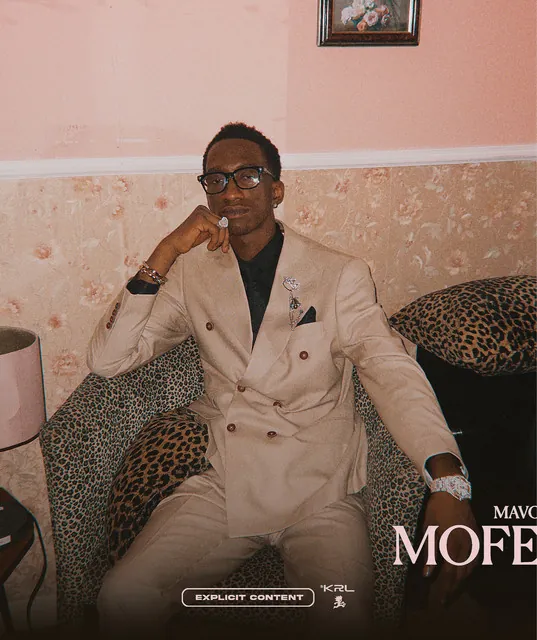
Mavo arrived with the velocity of internet culture: clipped phrases, quick melodic turns and records built for replay. The next test is turning that heat into a durable body of work.
 ARTIST ARCHIVE
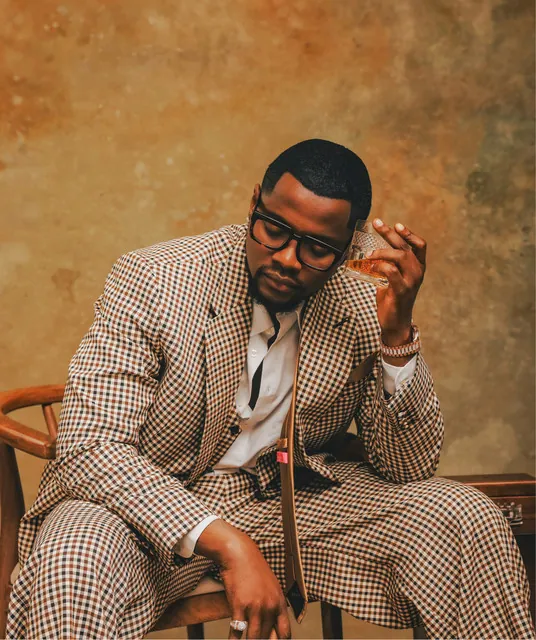
Kizz Daniel has spent a decade making difficult pop mechanics feel obvious. He understands the exact phrase, pause and melodic turn that transforms a good idea into a continental earworm.
 ARTIST ARCHIVE
Odeal connects London intimacy with Nigerian rhythm. His warm, conversational vocals make his songs feel close-up, while patient arrangements give them room to travel.
 ARTIST ARCHIVE
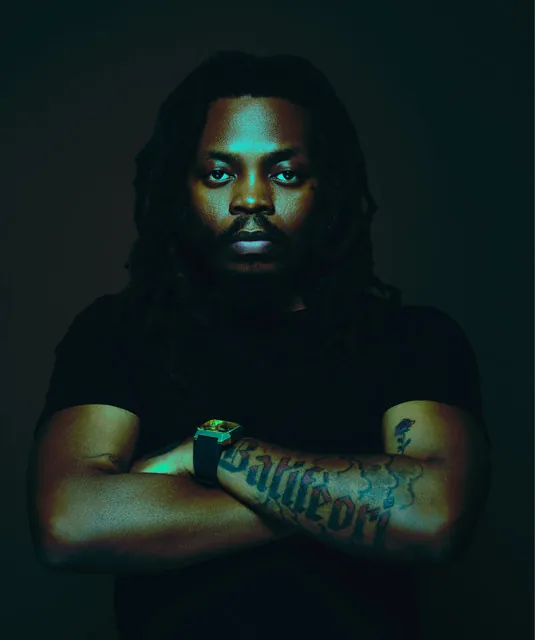
Olamide is both a street-rap institution and an ecosystem builder. His own catalogue maps Lagos slang and ambition; YBNL multiplied that influence through a generation of major voices.
 ARTIST ARCHIVE
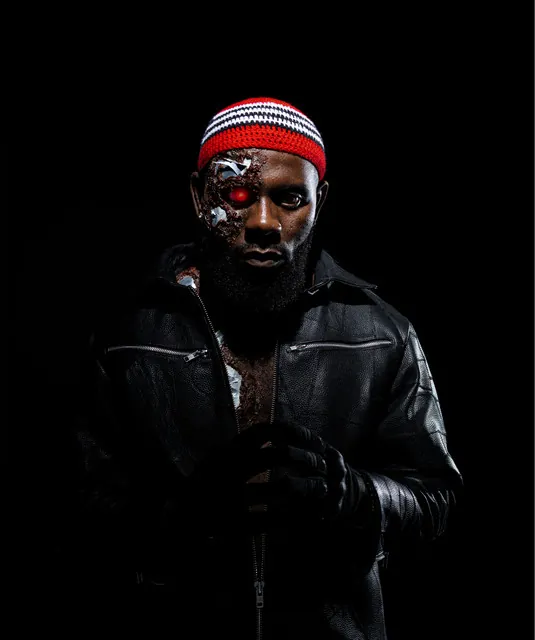
ODUMODUBLVCK raps like a collision is about to happen. The Abuja artist mixes Nigerian cadence, grime weight and football-sized chants into a presence that feels larger than the track.
 ARTIST ARCHIVE
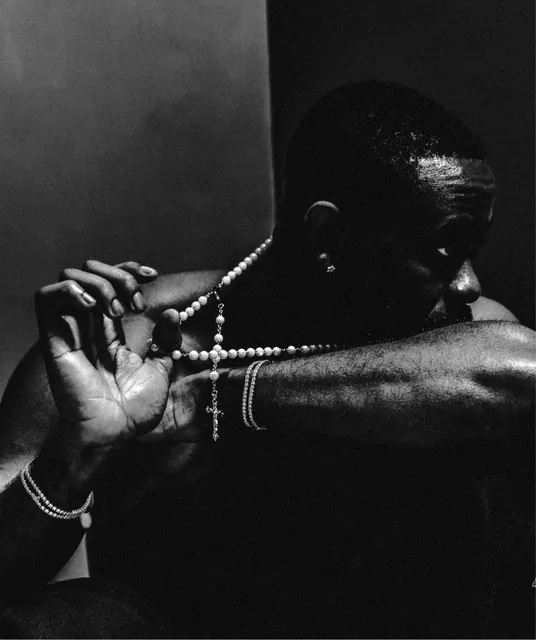
Sarz builds drums with personality. His fingerprints run through multiple Afrobeats eras, and his producer-led projects prove an architect can hold the centre without becoming the vocalist.
 ARTIST ARCHIVE
Amaarae makes pop that refuses a fixed passport or genre. The Ghanaian-American auteur folds highlife, rap, club music and fashion into albums that reward curiosity as much as immediacy.
 ARTIST ARCHIVE
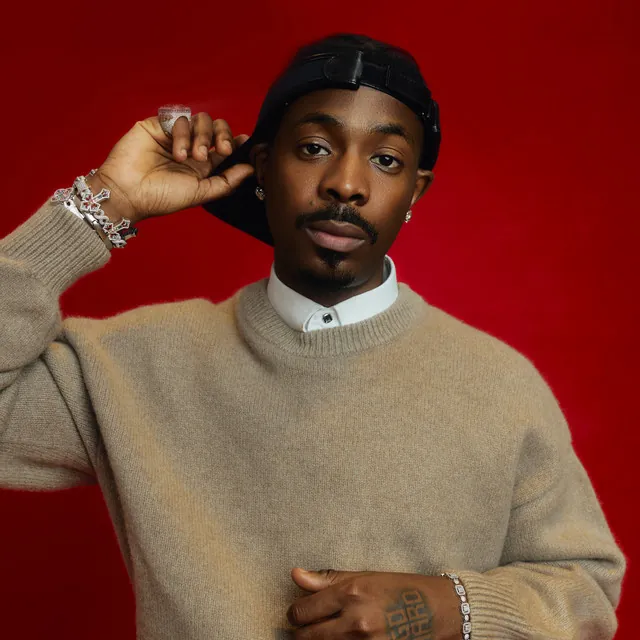
Young Jonn moved from the producer tag to the centre of the record without losing his hitmaking instinct. His compact melodies still carry the efficiency of someone who understands every layer.
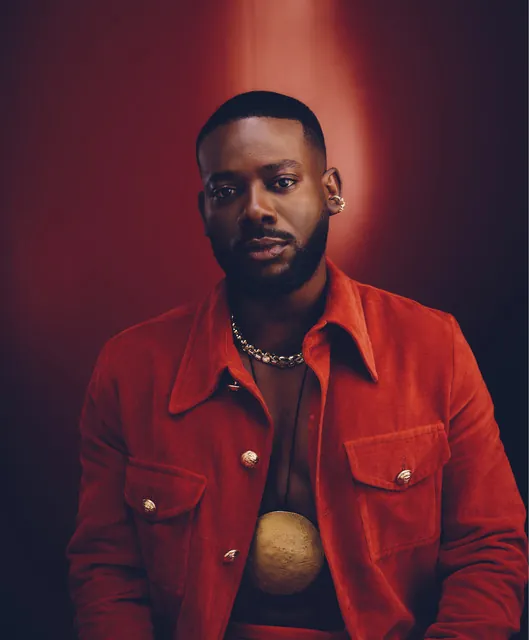 ARTIST ARCHIVE
Adekunle Gold's career is a study in reinvention: folk-rooted beginnings, highlife colour and increasingly polished global pop. The through-line is careful writing and unmistakable warmth.
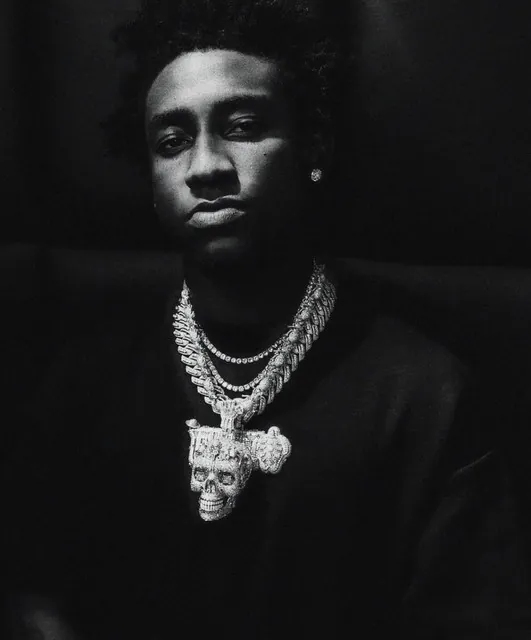 ARTIST ARCHIVE
Shallipopi turns Benin City slang, deadpan humour and spare production into sticky street-pop. His cultural impact lives as much in everyday language as it does in streaming totals.
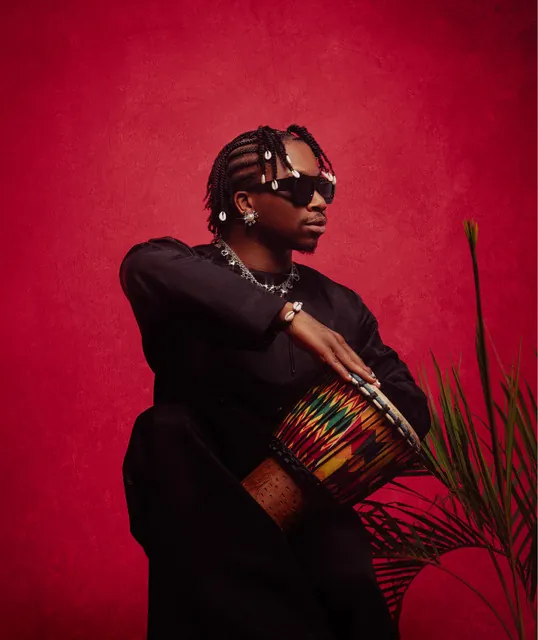 ARTIST ARCHIVE
Oxlade's falsetto is recognisable within seconds. KU LO SA gave it global scale, while his best records use that high register as texture rather than a trick.
 ARTIST ARCHIVE
FAVE's smoky voice carries both calm and tension. Her songwriting favours uncluttered emotional scenes, giving every feature and solo record an immediate point of view.
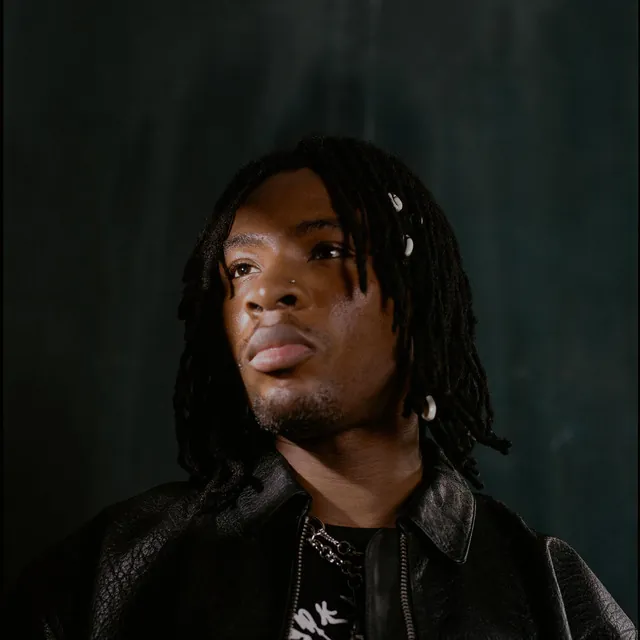 ARTIST ARCHIVE
Joeboy helped define the soft, romantic side of the streaming-era breakthrough. His easy delivery disguises disciplined pop writing and a catalogue built for repeat listening.
 ARTIST ARCHIVE
Tiwa Savage brought elite R&B control into Nigerian pop and kept evolving after the first crossover wave. Her longevity rests on vocal precision, stage craft and fearless collaboration.
 ARTIST ARCHIVE
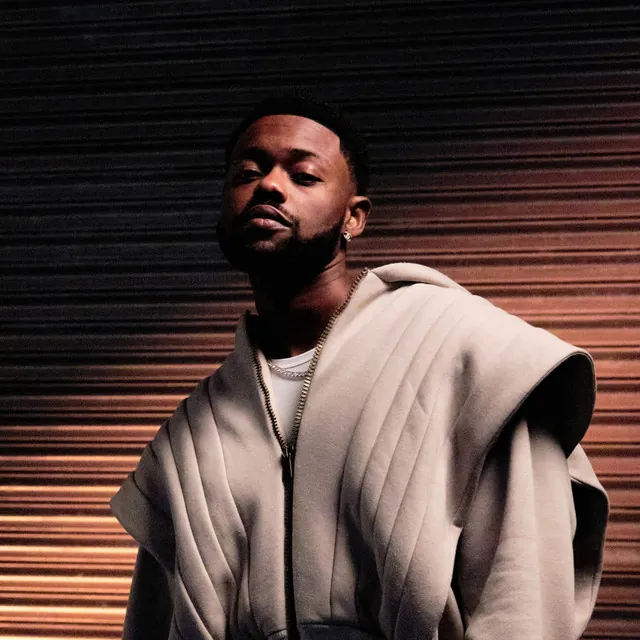
Lojay writes desire in close detail and sings it with a grainy, instantly identifiable tone. Monalisa opened the door; his darker, more intricate records explain why it stayed open.
 ARTIST ARCHIVE
JAZZWRLD brings a soulful, composer-led sensibility to amapiano. His growing catalogue favours atmosphere and patient musical development over disposable dance-floor formulas.
 ARTIST ARCHIVE
Darkoo moves naturally between London rap cadence and West African melody. That bilingual musical instinct makes each collaboration feel like a bridge rather than a marketing exercise.
 ARTIST ARCHIVE
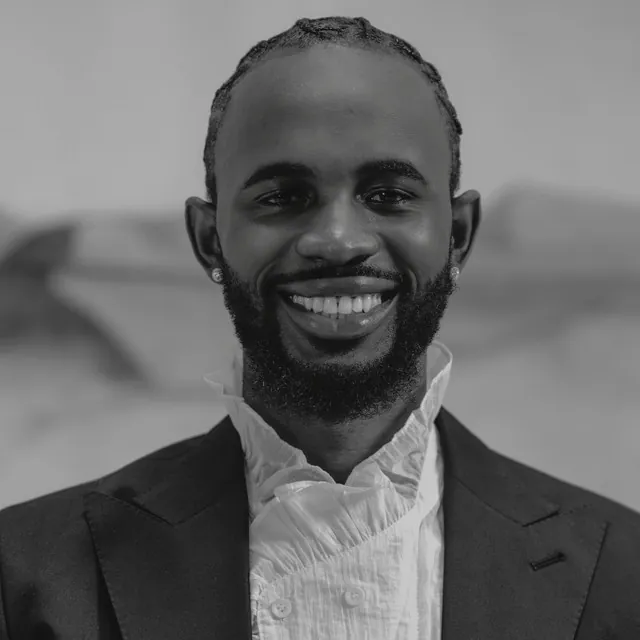
Black Sherif sings as if every line costs something. His cracked, urgent voice turns migration, pressure and ambition into anthems that connect Accra street reality with a global audience.
 ARTIST ARCHIVE
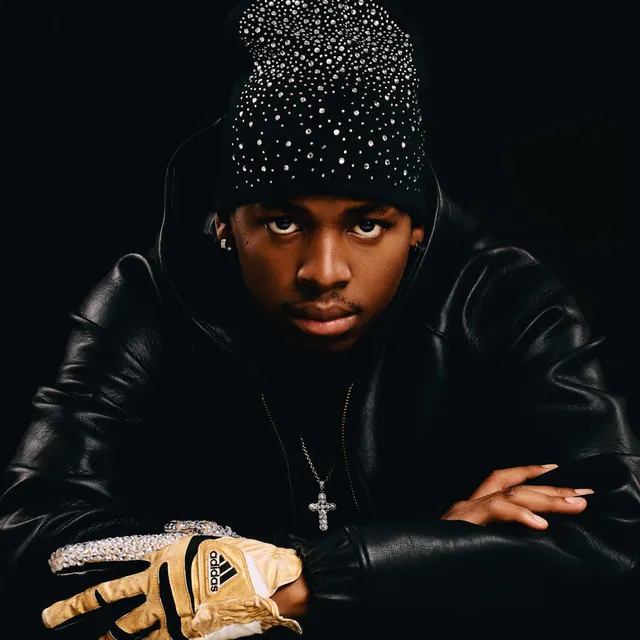
CIZA represents amapiano's fast-moving new school: youthful vocals, bright Bacardi energy and an instinct for dance moments that can travel across borders before radio catches up.
 ARTIST ARCHIVE
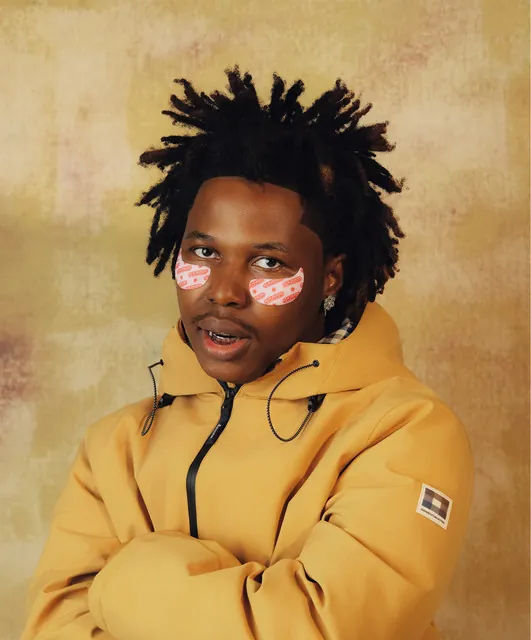
Shoday balances street-pop directness with a romantic melodic touch. His rise reflects a new discovery pipeline where consistency after the viral spark matters more than industry permission.
 ARTIST ARCHIVE
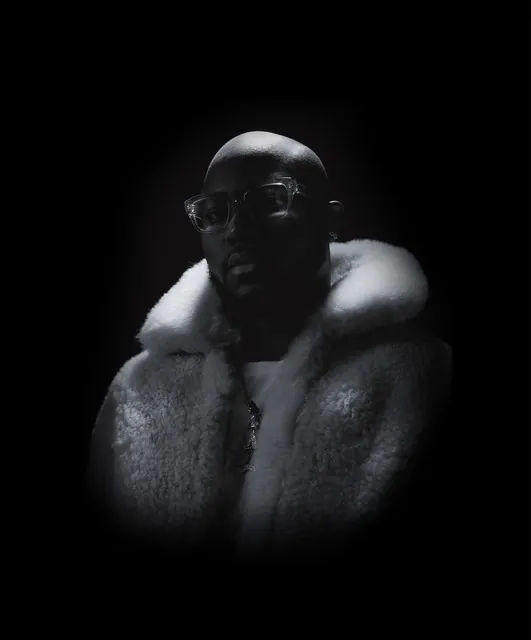
King Promise's smooth baritone is built for patience, not spectacle. He carries Ghanaian highlife ease into modern Afropop and has become one of the continent's most dependable collaborators.
 ARTIST ARCHIVE
Zlatan converts street language and dance into pop momentum. Zanku was a full cultural moment, and his continued relevance comes from knowing when to lead and when to energise a feature.
 ARTIST ARCHIVE
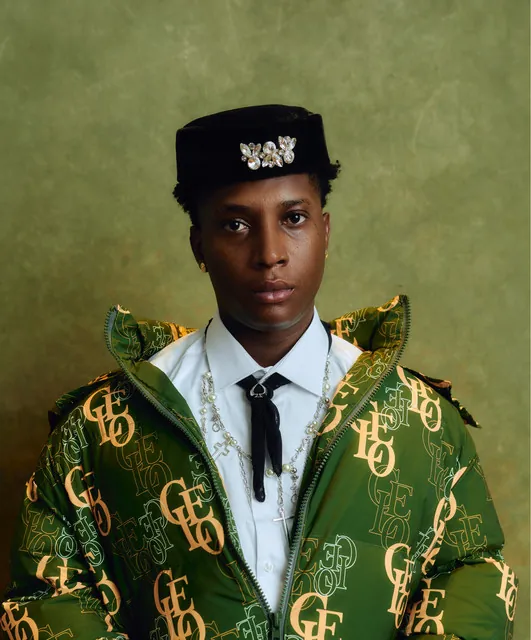
Bella Shmurda sings with an exposed edge that makes hustle records feel personal. His melodies carry the tension between celebration and survival at the heart of Lagos street-pop.
 ARTIST ARCHIVE
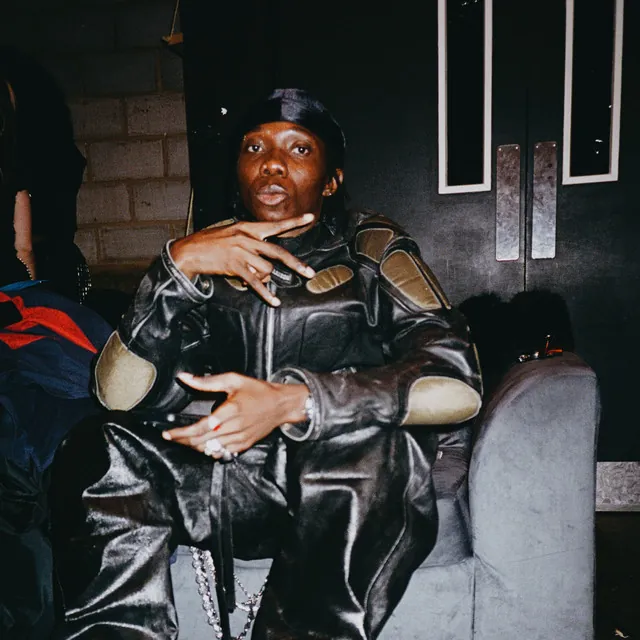
Blaqbonez pairs technical range with an internet-native sense of theatre. The jokes draw attention, but the reason he stays is musical flexibility and a clear understanding of character.
 ARTIST ARCHIVE
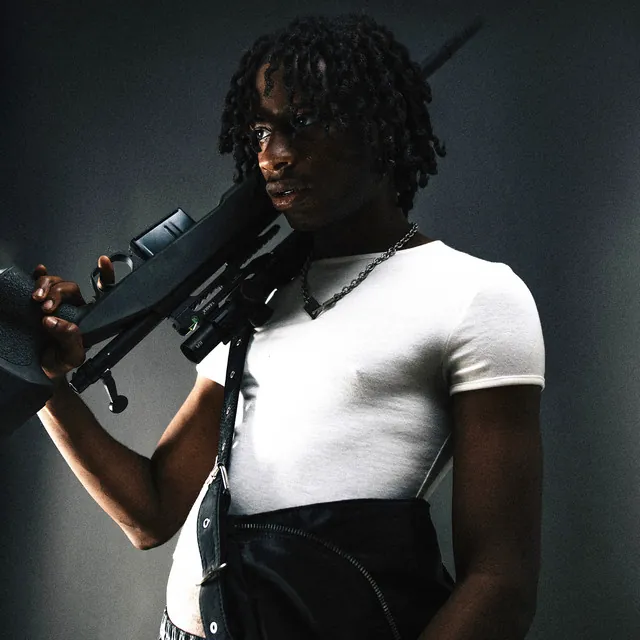
Khaid's compact melodies and unpolished emotional tone made him a fast streaming-era breakout. His records work best when vulnerability interrupts the confidence.
 ARTIST ARCHIVE
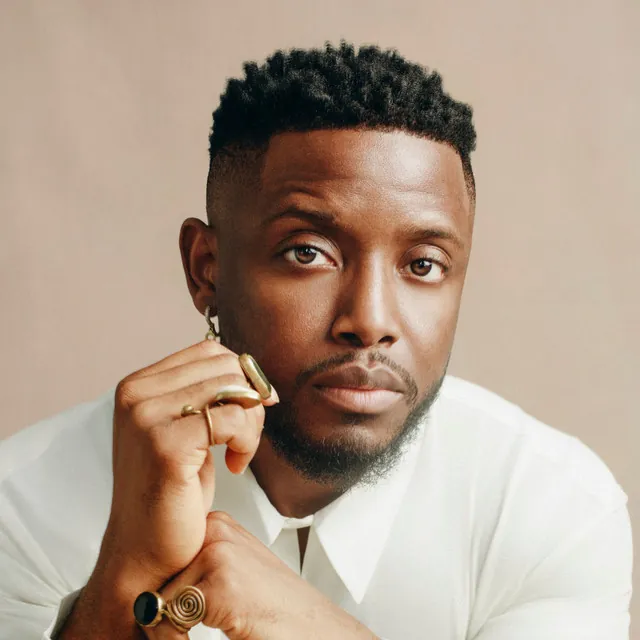
Chike brings an actor's sense of pacing to love songs. His clear diction and patient arrangements have made him a dependable voice for romance without chasing every rhythmic trend.
 ARTIST ARCHIVE
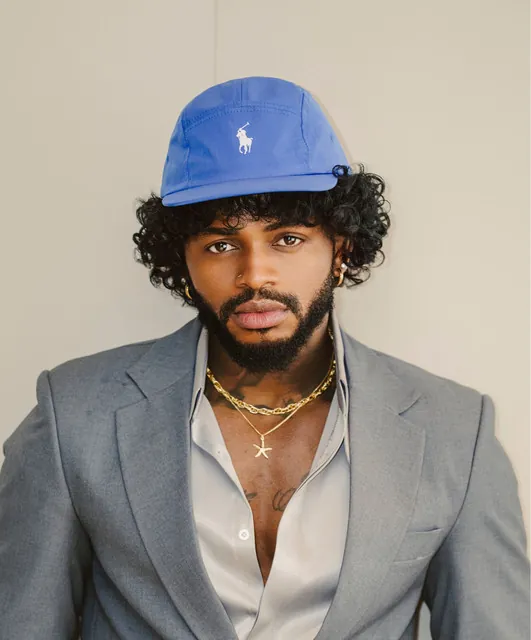
Diamond Platnumz turned Bongo Flava stardom into a regional business system. His catalogue, visual scale and Wasafi platform keep East Africa central to the continental pop map.
 ARTIST ARCHIVE
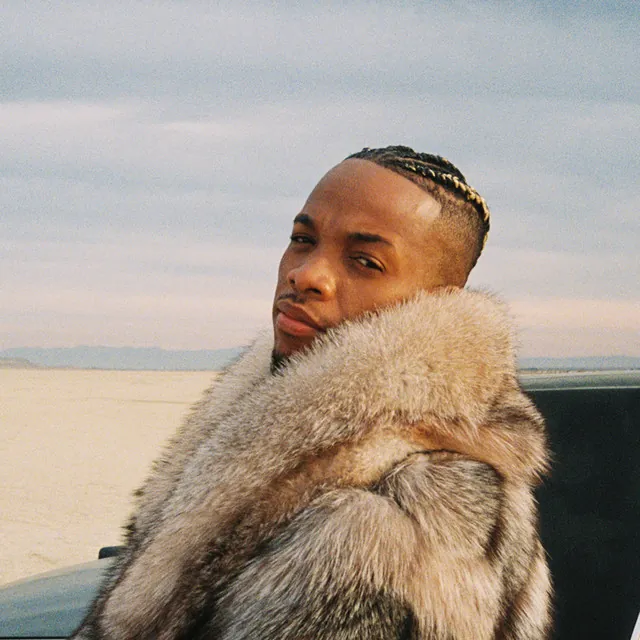
Tekno's sparse productions and spring-loaded melodies helped shape the mid-2010s Afropop boom. Even when releases slow, his writing and production DNA remain audible across the scene.
 ARTIST ARCHIVE
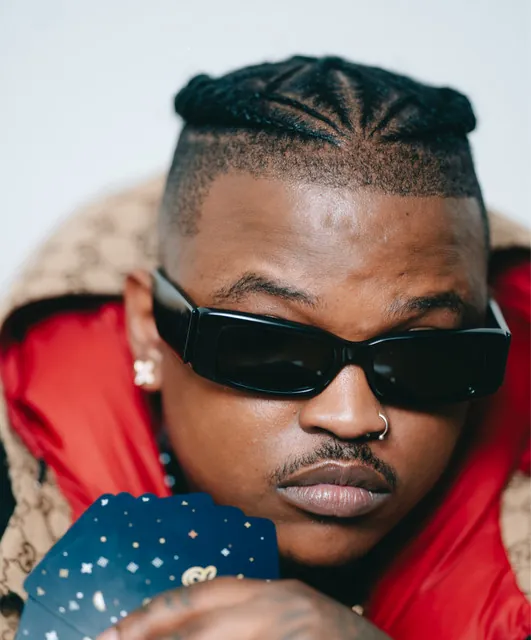
Focalistic gave amapiano a rapper's narrative centre. His Pretoria slang, agile flow and cross-border collaborations helped the sound speak beyond the dance floor.
 ARTIST ARCHIVE
Uncle Waffles made the DJ booth feel like centre stage. Her high-energy sets, sharp visual identity and international touring turned curation itself into a headline performance.
 ARTIST ARCHIVE
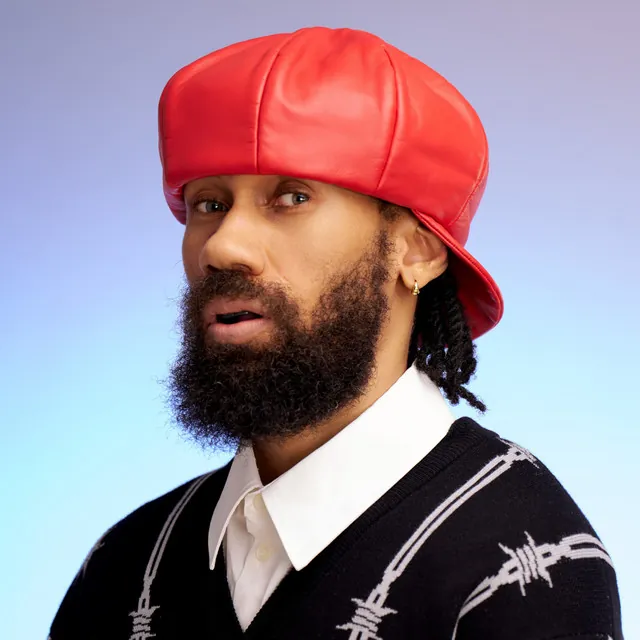
Phyno proved indigenous-language rap could command the mainstream without translation. His authority comes from technical control, Eastern cultural detail and a catalogue that still pulls crowds.
 ARTIST ARCHIVE
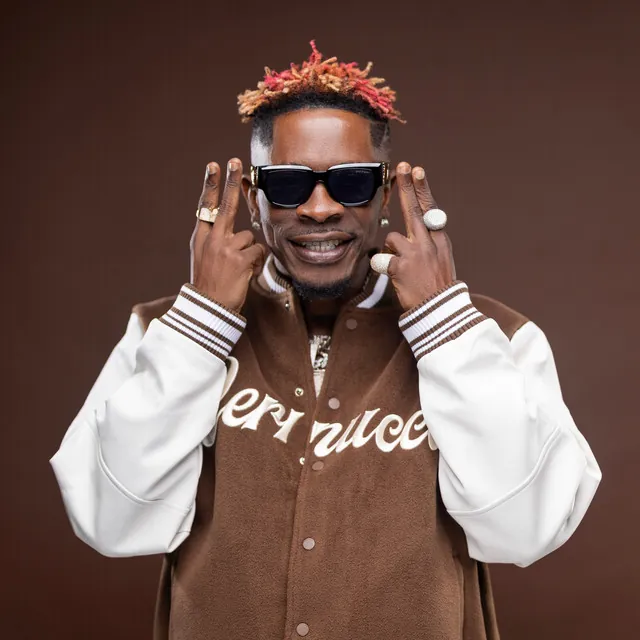
Shatta Wale is Ghanaian dancehall as public theatre: confrontational, prolific and impossible to ignore. His direct bond with fans gives the music an influence that raw platform numbers miss.
 ARTIST ARCHIVE
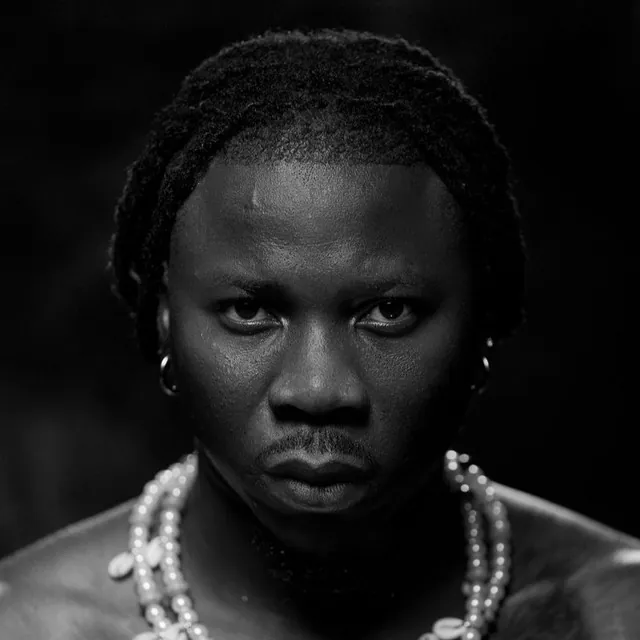
Stonebwoy connects Ghanaian identity with reggae and dancehall craft. Years of touring and collaboration make him a steady continental ambassador rather than a one-cycle chart act.